

 Drain Unblocking
 Drain Cleaning
 Toilet Unblocking
 CCTV Inspection
 CCTV Survey
 Drain Repair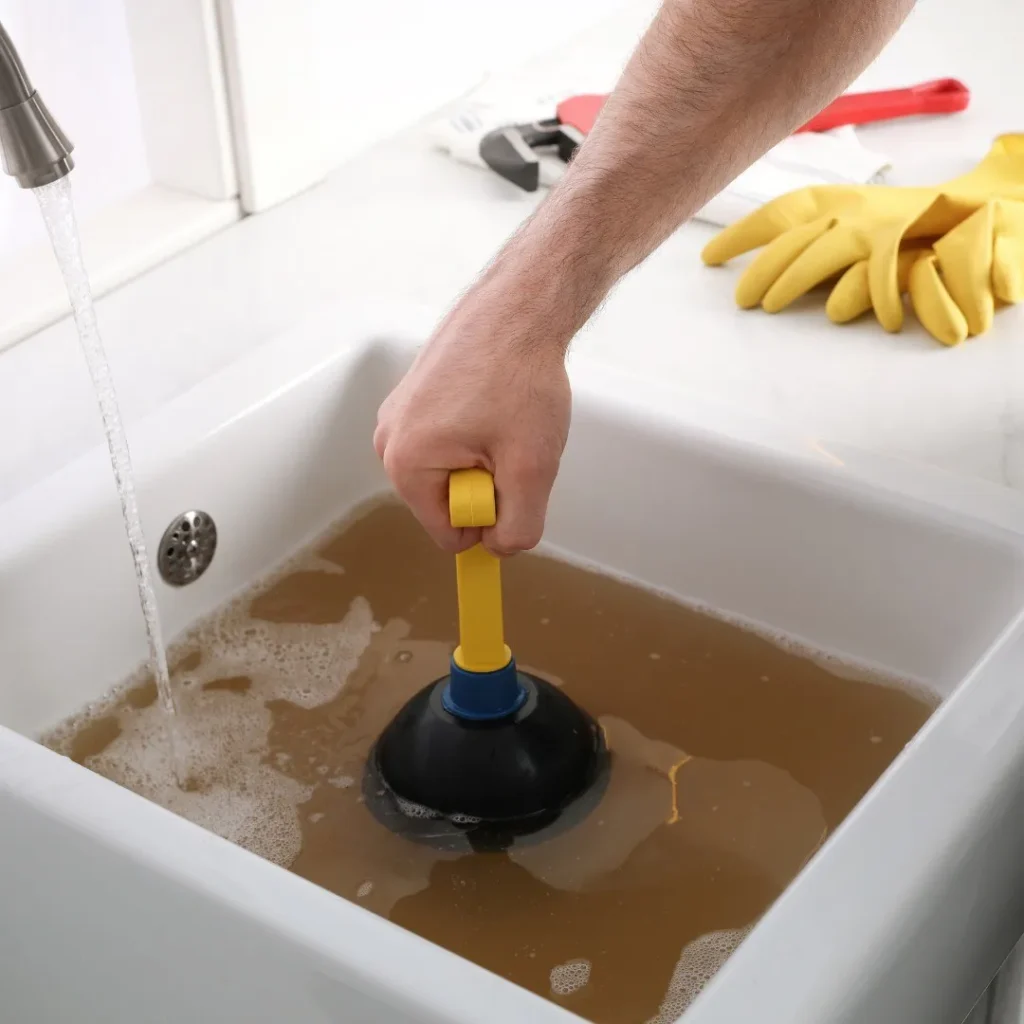
Practical Advice from Local Experts
Let’s be honest, no one enjoys dealing with a blocked drain. It’s unpleasant, inconvenient, and always seems to happen at the worst possible time. One moment your sink or shower is draining perfectly, and the next, you’re staring at a slow swirl of murky water wondering what went wrong.
If you live anywhere across Cornwall, whether it’s Truro, Newquay, Falmouth, Penzance, Bodmin, St Austell, or Redruth, blocked drains are a fact of life. The good news? Not every blockage needs an emergency callout. With a bit of know-how, some household items, and a touch of patience, you can often get your drains flowing again yourself.
This practical guide explains what causes most blockages, what you can safely try at home, and when it’s time to bring in the experts.

What Usually Causes a Blocked Drain?
Before you grab a plunger or a bottle of drain cleaner, it helps to understand what’s actually causing the problem. Drains in Cornwall tend to get blocked for a few common reasons:
Kitchen Grease and Food Waste
Pouring cooking oil or fat down the sink is one of the most common mistakes. Once it cools, it hardens inside the pipe and traps small bits of food, forming a thick, greasy blockage that won’t budge easily.
Hair and Soap Build-Up
Bathrooms are another trouble spot. Hair tangles with soap scum and forms clumps that cling to pipe walls, narrowing the flow until water barely trickles through.
Foreign Objects
Cotton buds, wipes, bottle caps, and even toys, you’d be surprised what ends up in the drain. If it doesn’t dissolve in water, it shouldn’t be anywhere near your plumbing.
Outdoor Debris
Leaves, moss, mud, and silt can slip into outdoor gullies, especially during Cornwall’s rainy months. In older properties, these materials can easily cause a full blockage.
DIY Drain Unblocking That Actually Works
There are several safe and effective ways to deal with a blocked drain before calling a professional. Here’s what you can try using simple tools and ingredients most homes already have.
1. Boiling Water
Sometimes, the simplest method is best. Pour a full kettle of boiling water down the drain slowly in stages. This can melt and dislodge fatty build-up in kitchen sinks.
Tip: If you have PVC pipes, let the water cool slightly before pouring to avoid softening the plastic.
2. Baking Soda and Vinegar
A classic combination that’s surprisingly powerful. Pour half a cup of baking soda into the drain, followed by half a cup of vinegar. Cover it with a plug and wait about 15 minutes before flushing with hot water. It fizzes up naturally and helps clear mild grime and soap residue without chemicals.
3. The Plunger Method
Good old-fashioned plunging still works. Fill your sink or bath with enough water to cover the plunger head and plunge firmly in short, controlled bursts. If you don’t feel resistance, adjust your seal and try again until you feel pressure build up and release.
4. Drain Snake or Flexible Wire
If you suspect a blockage deeper in the pipe, often caused by hair, a drain snake or flexible wire tool works well. Insert it carefully, twist it until you catch the obstruction, and pull it out gently.
DIY alternative: A metal coat hanger can do the job in a pinch. Just be careful not to scratch the basin.
5. Drain Rods for Outdoor Blockages
Garden drains and manholes can clog up with silt, fatbergs, or leaves. Drain rods, which screw together to form a long flexible tool, can reach deep into the pipe. Always rotate clockwise, turning them the other way can make them unscrew inside the drain, and fishing them back out is not fun.
What You Should Never Do
It’s easy to make things worse if you get a bit overzealous. Avoid these common mistakes:
01
Don’t mix different cleaning chemicals, they can produce dangerous fumes.
02
Don’t poke blindly with sticks or wire. You could damage the pipe or push the blockage deeper.
03
Don’t ignore early signs like slow drainage, bubbling sounds, or bad smells. These are warnings a blockage is forming.

When It’s Time to Call a Professional
Sometimes, no amount of plunging or home remedies will do the trick. That’s when calling in experienced local drain engineers makes sense. You’ll save time, prevent damage, and usually spend less in the long run.
You should call a professional if:
-
Multiple drains in your home are blocked or slow
-
Wastewater is backing up into sinks or toilets
-
You notice strong sewage smells indoors or outdoors
-
You suspect the blockage is outside or underground
Across Cornwall, our local drainage specialists are equipped with professional CCTV drain cameras and high-pressure jetting tools. These allow them to pinpoint and remove the exact cause of a blockage quickly and safely, no guesswork, no unnecessary digging.
How to Prevent Future Blockages
Once you’ve cleared a blockage, prevention is your best friend. Here are a few small habits that make a big difference:
-
Scrape plates into the bin before washing
-
Never pour fat, oil, or coffee grounds down the sink
-
Use drain guards to catch hair and food debris
-
Flush only toilet paper, not wipes, even “flushable” ones
-
Clean gutters and outdoor drains regularly, especially before heavy rain
-
Book an occasional drain inspection if your home is older or surrounded by trees
A short visit from a local drain cleaning team in Truro, St Austell, or Falmouth can keep your pipes clear year-round and prevent costly repairs later.

Why Cornwall Homeowners Choose Local Drain Experts
From historic cottages in Bodmin to new builds in Newquay, Cornwall’s mix of property types means drainage issues vary from place to place. Local engineers know the quirks of each area — whether it’s sandy blockages near coastal towns or root intrusion in older clay systems.
Working with local drainage specialists ensures a faster response, better value, and advice that suits Cornwall’s conditions. There’s no upselling, no hidden extras, just straightforward help when you need it most.
contact usFrequently Asked Questions About Unblocking Drains
Yes, absolutely. The combination of baking soda and vinegar followed by hot water is safe and effective for mild blockages, especially in kitchen sinks.
If you’ve tried boiling water, plunging, or a drain snake with no luck, or if several drains are slow at once, it’s time to call a professional. The blockage could be deeper in the system.
Start simple: boiling water, natural cleaners, and manual plunging. Avoid mixing chemicals or using makeshift tools that might damage your pipes.
Grease, food scraps, hair, and garden debris are the usual culprits. In coastal and rural areas, silt and roots are also common offenders.
Be mindful about what goes down the plughole, fit simple strainers in sinks and showers, and have your drains checked annually — especially if you live near trees or have an older system.
Need Help Fast?
If your drain is blocked, slow, or giving off a bad smell, don’t wait and hope it clears on its own. The sooner you tackle it, the easier and cheaper the fix will be.
Our local drain engineers cover all of Cornwall, including Truro, Newquay, Penzance, Falmouth, St Austell, Bodmin, and Redruth. Whether you need an emergency unblock or a preventative CCTV survey, help is just a call away.
Call now for fast drain unblocking across Cornwall – no drama, just proper service.


