

 Drain Unblocking
 Drain Cleaning
 Toilet Unblocking
 CCTV Inspection
 CCTV Survey
 Drain Repair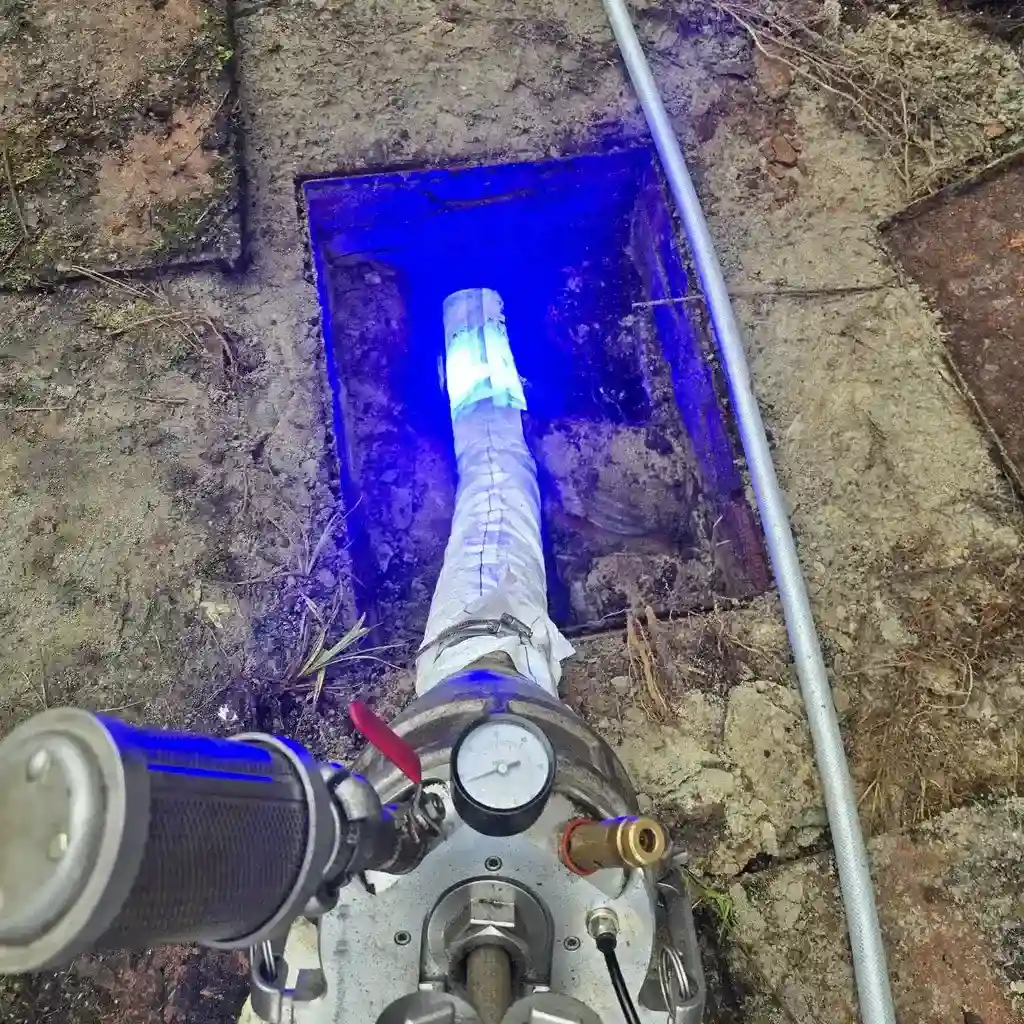
Walk through Truro on a wet afternoon and you can almost hear the city breathing under your feet. Those cobbled lanes and Georgian terraces hide a maze of old clay pipes and iron drains laid long before washing machines, dishwashers and daily showers were a thing. They’ve done well to last this long, but the truth is many are tired.
The ground shifts, rainwater finds every gap, and roots have a habit of squeezing in where they’re not wanted. People love their period homes here, yet they dread anything that might disturb them. Digging up a slate courtyard or an old garden wall just to fix a cracked pipe? Nobody wants that. That’s exactly why drain relining has become such a gift for Truro homeowners — it fixes the problem from the inside out, no trenches, no mess. Keeping Truro’s charm while fixing what’s underneath Traditional drain repairs were a headache. This guide explains what causes drains to deteriorate, the warning signs to watch for, and what professional maintenance involves.
Traditional drain repairs were a headache.
You’d have diggers out front, piles of wet soil stacked like molehills, and a driveway that never quite looked the same afterwards. In heritage streets like Kenwyn or Ferris Town, that kind of work isn’t just a nuisance — it can spoil the whole feel of the place. Relining takes a quieter route. We feed a flexible liner through the existing pipe, soak it with resin, and let it harden right where it sits. When it sets, it becomes a new pipe inside the old one — sealed, smooth, and strong enough to shrug off both roots and Cornish downpours. Think of it as giving your drains a fresh lining jacket. It’s tidy, it’s quick, and the stonework above stays untouched.

Why Truro’s ground keeps engineers on their toes
Anyone who’s spent a winter in Truro will tell you — the ground here’s a character in its own right. After weeks of driving rain, the soil swells till you can almost feel it pushing back under your boots. Come late summer, it dries, cracks, and pulls away again. That constant see-sawing twists whatever’s buried beneath. Pipes that were straight one month start to lean or split the next.
These spots around Kenwyn and Newham are the worst for it. A lot of the drains sit close to the water table, so when the earth gets heavy with water, pressure slips straight into the joints. A couple of big storms and suddenly the whole run’s out of line. We’ve turned up to jobs where a drain had shifted half an inch — doesn’t sound much, but it’s enough to stop the flow dead.
That’s where no-dig relining really earns its keep. It grips the old pipe from inside and gives it strength again, like adding scaffolding under the surface.
What the camera shows us
Before a single spade hits the ground:
- We thread a camera through the drain to see what’s going on. The thing’s tiny, about the size of a torch head, but the picture’s crystal clear. It shows everything — roots wrapping through the joints, bits of rust, even the fine layer of silt that tells us a flood’s been through recently.
- We talk you through the footage there and then. No mystery quotes, no “we think it might be this.” You can see exactly what we see. Sometimes it’s a quick patch job; sometimes it needs a full liner.
- If you fancy seeing some of our drain repair footage, hop over to the Drainblock Services YouTube channel. There are clips from all over Cornwall — and CCTV drain surveys showing the camera glide through the pipes, find the break, then see the assessment of specific drain repairs. It’s all quite oddly satisfying, even if you’re not a drainage nerd.

Why old Truro drains keep giving up
Most of Truro’s older homes were fitted with clay or cast-iron pipes, and they’ve had a long, hard life. The soil moves, the rain never really stops, and a fair few DIY fixes over the years haven’t helped. Down the tight terraces, several houses often share one drain — so when one section gives way, everyone feels it. Usually the first sign isn’t dramatic. It’s that faint drain smell that won’t go away, or a sink that starts gurgling for no reason. By the time it gets noticed, the damage underneath has been building for a while. Relining catches it early and puts things back in shape before you end up digging half the garden.
How long does drain relining take?
Truth be told, it doesn’t take half as long as people think. Once the line’s cleaned and checked, we’re mostly waiting for the resin to do its thing. A short run might be sorted before the kettle’s boiled twice. Bigger ones take a few more hours — still no trenches, no noisy kit, no waiting for concrete to dry. If the situation’s urgent — and it usually is by the time you call — we’ll shuffle things around to get to you that same day. Truro, Kenwyn, Newham — we cover the lot.

How much Does Drain Relining in Truro Cost?
Money talk’s never fun, but let’s keep it plain. Patch jobs generally fall around £150–£250. If it’s a longer stretch, you’re looking nearer £500–£800. The price always includes a camera survey, a clear quote, and no hidden extras lurking in the small print. And because things sometimes surprise even us, every repair carries a one-year warranty. If it misbehaves, we come back — no quibble.
Frequently Asked Questions About Drain Relining in Truro
We’ve noticed a few patterns: Kenwyn — the clay moves like dough, and roots love a weak joint. Newham is another story altogether. The drains there work hard. Cafés, workshops and small businesses pour out more than just water, and over time all those cleaning products start eating at the pipe walls. By the time we’re called, the inside’s gone rough and pitted like an old penny. Up at Shortlanesend, gravity causes the problems. The ground slopes, the water runs off, and the soil underneath quietly slips away until the drain starts sagging. You won’t see it from above, but the camera always tells the truth. And in central Truro, where cobbles and shared lines twist between gardens, it’s the age of the pipe that gives the trouble. Clay sections wear thin, joints loosen, and before long half the street’s flushing into one weak point. One short CCTV camera run shows straight away what’s still holding and what’s given up.
You won’t always see the problem from the surface. That’s where a drain camera makes the difference. A drain survey quickly shows which sections are still sound and which have started to give way, saving guesswork and unnecessary digging.
People often forget how much waste digging creates. Mounds of clay, old pipe rubble, diesel fumes from heavy kit, it all adds up. Our Cornwall No-dig drain relining skips all that. It keeps the soil in place and the engines off the street. The liner we fit can last for fifty years or more, usually longer than the drive above it. That means fewer return jobs, less waste and far less noise echoing through Truro’s narrow lanes. Clean water’s one thing, but clean air’s part of the job too.
We’ve seen it plenty of times. Someone borrows a set of rods, watches a quick video, and ends up with a smell that no candle will hide. Drains aren’t the best place to learn by trial and error. Once you’re knee-deep in cold brown water, you realise why it’s better left to the people with the right kit. One wrong push can break a joint or send waste into the soil, and that’s the last thing you want seeping toward the Truro River.
Sometimes excavation is necessary, but it doesn’t have to be chaotic. When digging is required, it’s usually limited to a small, targeted area. One neat opening, tidy edges, and minimal disruption to the surrounding ground. We’ve got the cameras, the tools and the patience for Cornwall’s tricky ground. When we do have to dig, we keep it neat. One small hole, tidy edges, no mess.
When drains start to gurgle or smell, they’re giving you a warning. Catch it early and it’s usually easy to put right. A quick camera check, a short reline, and everything flows as it should again.
Book a Drain Relining Assessment in Truro
If you’re dealing with ageing clay pipes, recurring blockages, or damage beneath older ground surfaces, no-dig drain relining can often put things right without disruptive excavation. Our engineers work across Truro, Kenwyn, and Newham, repairing both traditional clay drains and modern systems with minimal disturbance.
We use CCTV surveys to assess the condition of your drains, then apply targeted no-dig drain relining where suitable — strengthening weakened sections from the inside and restoring proper flow without lifting paving, cobbles, or gardens.
Call today to speak to our local team, or book online for expert drain relining across Truro and wider Cornwall.


